
Ships
All nine Professional Ship Simulator ship classes ranked by handling difficulty, with role, best missions and advice on which hull a new captain should command first.
Introduction
Nine commandable vessel classes ship with Early Access, and the differences between them go far beyond top speed. Displacement governs how much inertia you have to manage, hull form decides how strongly bank and squat effects bite, and equipment fit determines whether you even have the systems a given mission expects. The tier ranking in this section expresses handling difficulty rather than quality: an S-tier tugboat is not better than a C-tier LNG tanker, it is simply the hull on which a new captain is least likely to make an expensive mistake. Every ship page covers what the vessel is for, how it behaves at low speed, which systems it carries and which mission families it is the natural answer to, so you can decide both what to buy first and what to leave until your licence tier and your patience have grown.
Ship Classes by Handling Difficulty
| Tier | Classes | Handling Character | Missions |
|---|---|---|---|
| S | Tugboat, Pilot Boat, Fishing Trawler | Short, light and predictable; forgiving low-speed response | Tug assistance, pilotage, fishing, tutorials |
| A | Rescue Vessel, Coast Guard Ship, Offshore Vessel, Yacht | Faster with more systems to watch; manageable in open water | Rescue, patrol, offshore logistics, charter runs |
| B | Container Ship, Bulk Carrier | Long stopping distances, strong bank and squat effects | Freight transport, dry dock runs |
| C | LNG Tanker | Enormous inertia, tight harbour tolerances, weather-critical | High-value gas transport under licence |
Class Breakdown
Tugboat
Short, powerful and the best classroom the sim offers for line handling.
Pilot Boat
Fast enough to be fun, small enough that mistakes stay cheap.
Container Ship
Where the simulation stops being forgiving and starts being a planning exercise.
LNG Tanker
The hardest command in the game and the one that punishes optimism hardest.
Core Mechanics
Ship behaviour in this simulation comes down to four numbers you should learn to feel rather than memorise. Displacement sets how long you need to stop; the developers model inertia seriously enough that a loaded bulk carrier takes a berthing approach measured in kilometres of planning rather than metres of braking. Hull form and draft determine squat and bank effect, which means a deep-draft hull in a narrow channel behaves differently from the same hull in open water. Thruster fit decides how much of your low-speed manoeuvring you can do without a tug, and equipment fit decides which systems you can actually operate. The result is that the honest way to learn a new hull is to take it somewhere open, feel its response to the telegraph, then bring it into a harbour you already know well.
Advantages
Working through the ship classes in order gives you a natural difficulty curve, and because the smaller hulls are the ones you can actually afford early on, the progression the game nudges you toward also happens to be the one that teaches you properly. Each class also has a clear speciality, which means a small fleet is more useful than one big ship: a tug for harbour work, a trawler for fishing income and a transport hull for the long hauls covers most of the mission board. Finally, because the sim tracks hull damage and flooding, learning on a forgiving vessel is genuinely cheaper — a mistake in a tugboat costs credits, the same mistake alongside a quay in an LNG tanker costs the whole contract.
Challenges
The obvious drawback is that the interesting hulls are locked behind progression, and the licence tiers that gate them take time to climb. Large vessels also demand more of the bridge systems you may not have learned yet, so a captain who rushes the ladder will find a container ship unfriendly rather than impressive. There is also a real gap between official documentation and how a hull actually feels: the store page lists nine classes, the developer feature list splits several of them more finely, and handling notes beyond that are almost entirely community-sourced. Treat any single number as provisional and test the hull yourself before committing credits.
Frequently Asked Questions
Which ship should a new captain buy first?+
Is the biggest ship the best ship?+
How do I learn a new ship class without losing credits?+
Quick Tips
Before every purchase, check that the hull can actually take the missions you want to run. A fast yacht is wonderful for charter work and useless for towing, and buying a ship you cannot use for your current licence tier is the fastest way to waste credits in the early game. Write the figure down somewhere you will actually see it, because stopped distance is the number you will forget first.
Learn each new hull's stopping distance empirically and write it down. Pick a landmark, run at your normal approach speed on a calm day, and note how far the vessel travels from full astern to stationary. That single number will keep you out of more trouble than any amount of reading about displacement. Repeat the exercise loaded as well as empty, since ballast and cargo change everything you just learned.
Add a tug to any approach you are unsure about. The cost of assistance is trivial compared with the cost of hull damage and a failed contract, and calling early is treated as professional behaviour rather than a failure of nerve. Then check the same approach in a crosswind so you know how much of your margin the weather consumes.
Featured
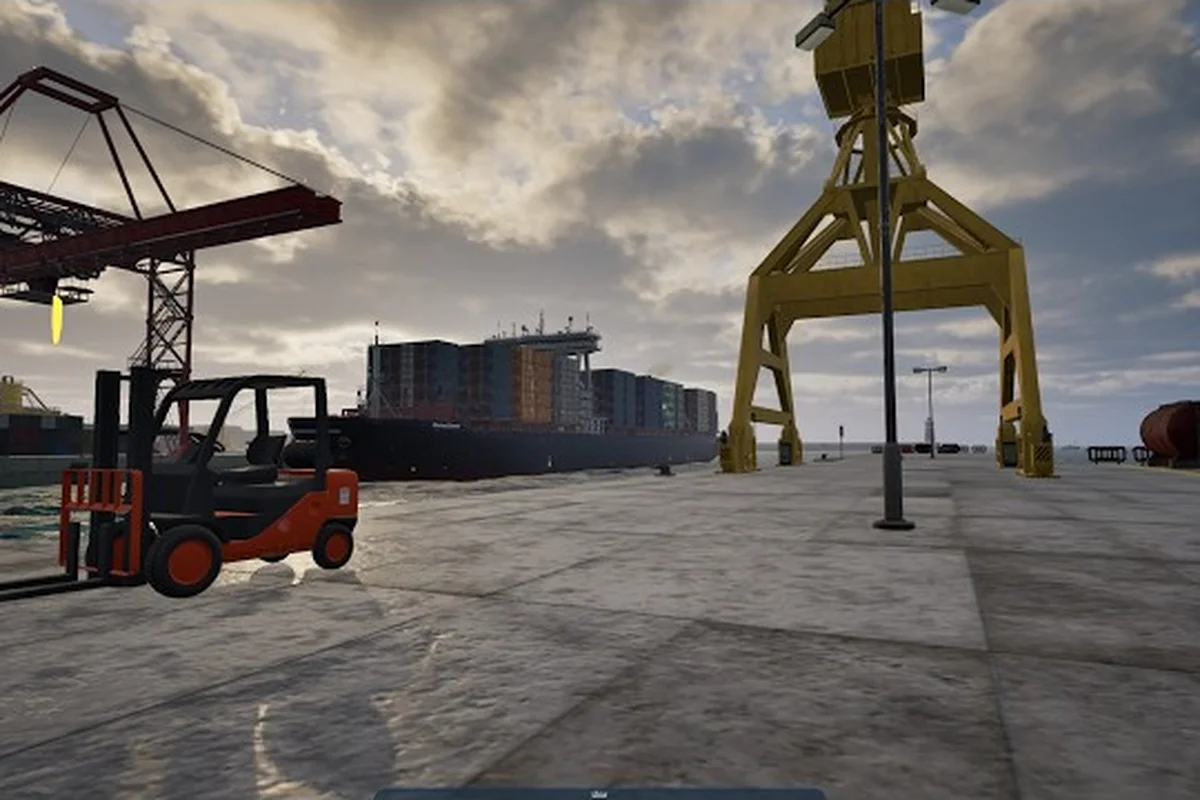
Professional Ship Simulator Largest Ship: Sizes & Cargo Compared
Compare the Professional Ship Simulator largest ship options side by side, ranking hull sizes, cargo capacity, top speed, and crew demands across every vessel class.
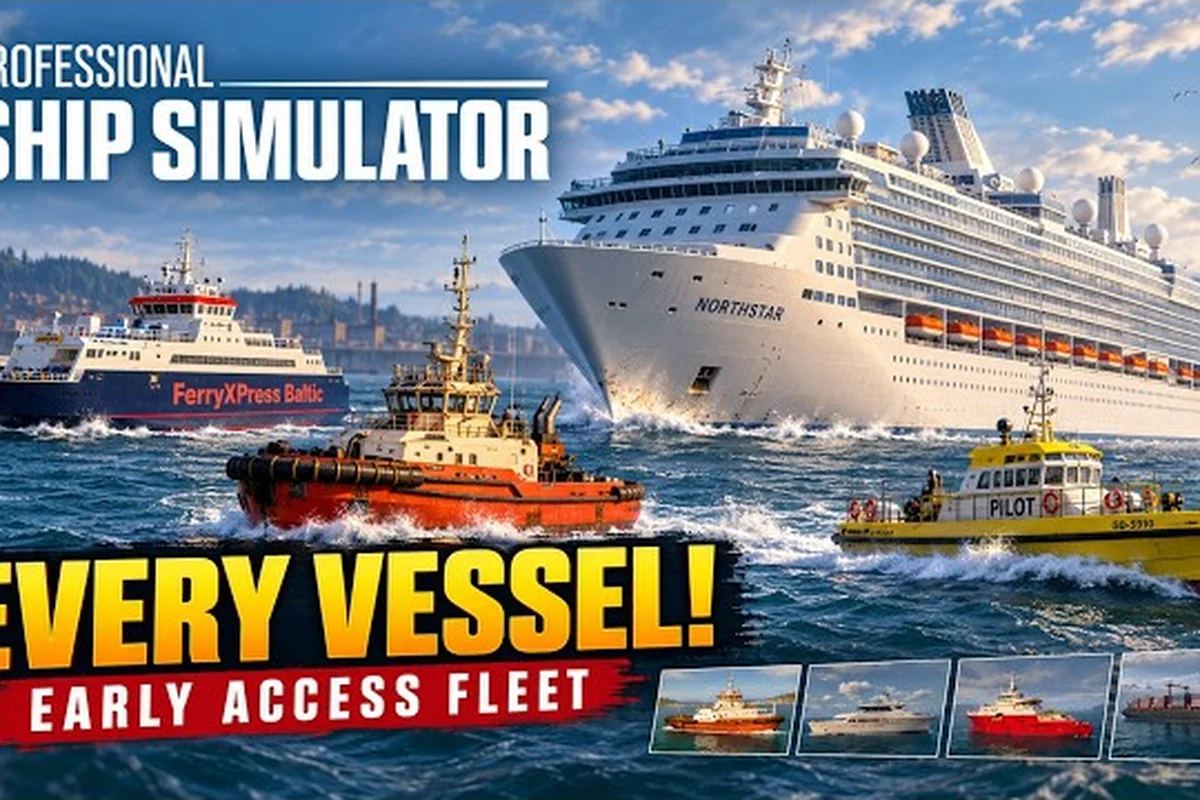
Professional Ship Simulator Ship List: Hulls & Specs
Browse the full Professional Ship Simulator ship list covering every class, from tug boats and pilot boats to LNG tankers and cruise ships with key specs.
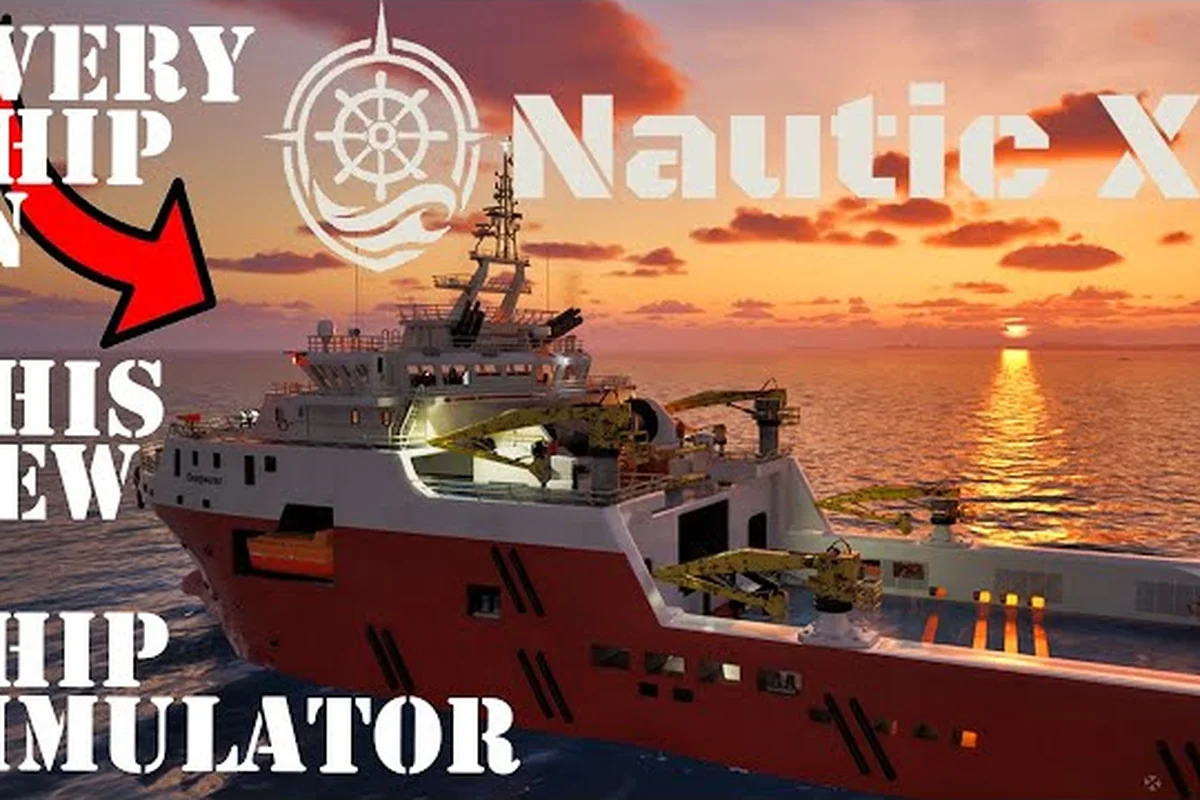
Professional Ship Simulator Ship Mods: Custom Fleet
Explore Professional Ship Simulator ship mods and learn how custom vessels and community hulls expand your tug and yacht fleet.
All Articles
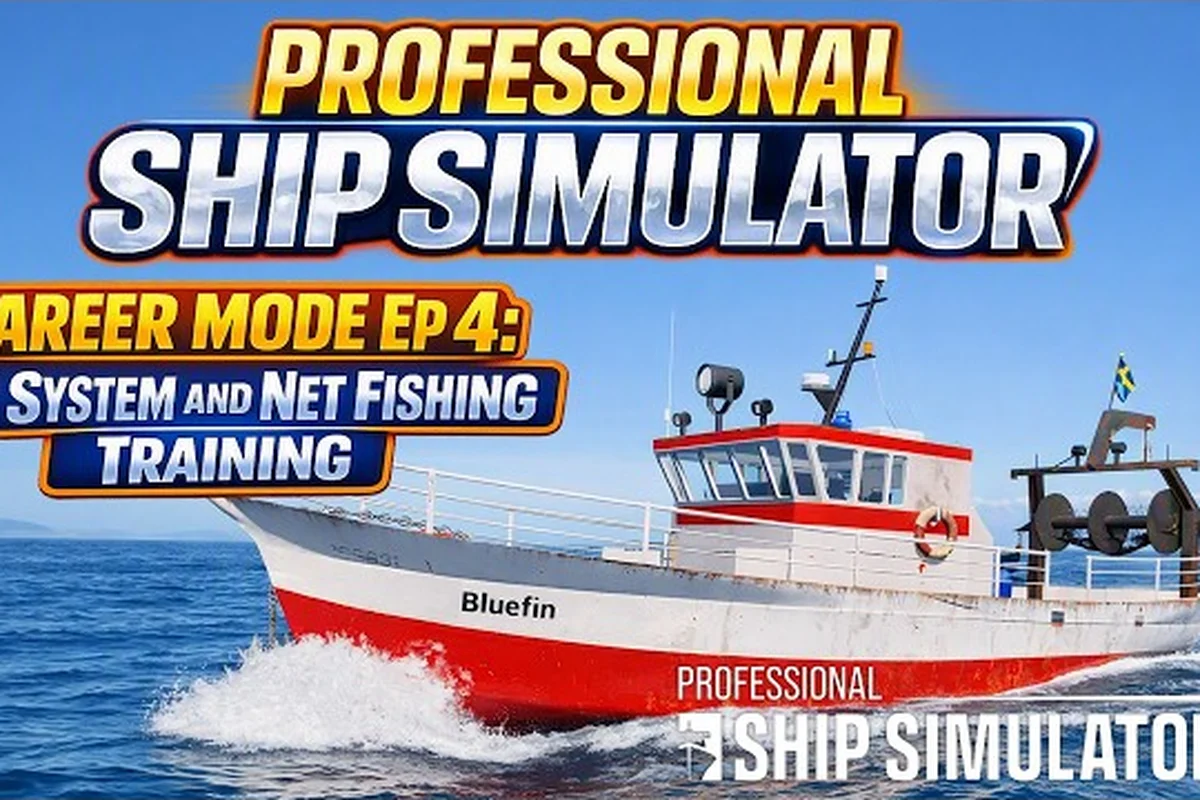
Professional Ship Simulator Fishing Trawler: Starter Vessel
Discover how the Professional Ship Simulator fishing trawler handles as a small starter vessel, from net deployment to fishing missions.
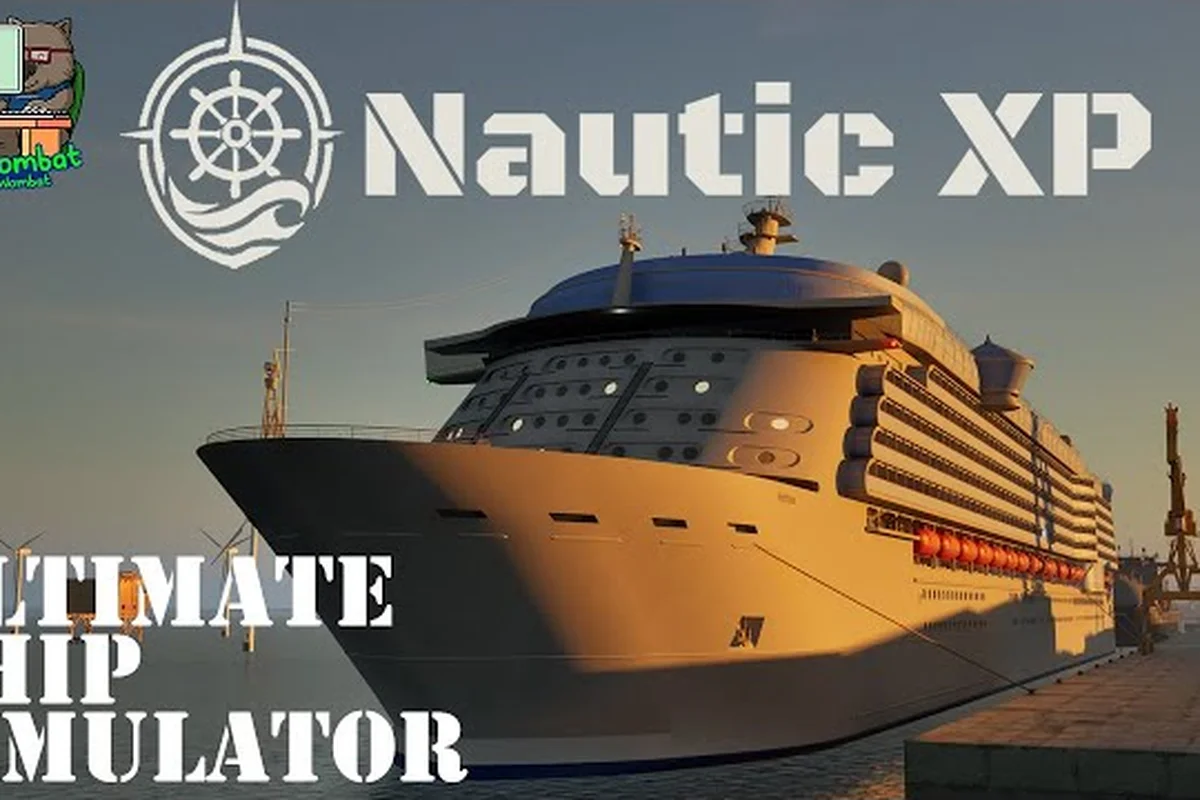
Professional Ship Simulator Ship Types Explained by Role
Understand every Professional Ship Simulator ship types explained by mission role, from container ships and LNG tankers to tugs, bulk carriers, and rescue vessels.
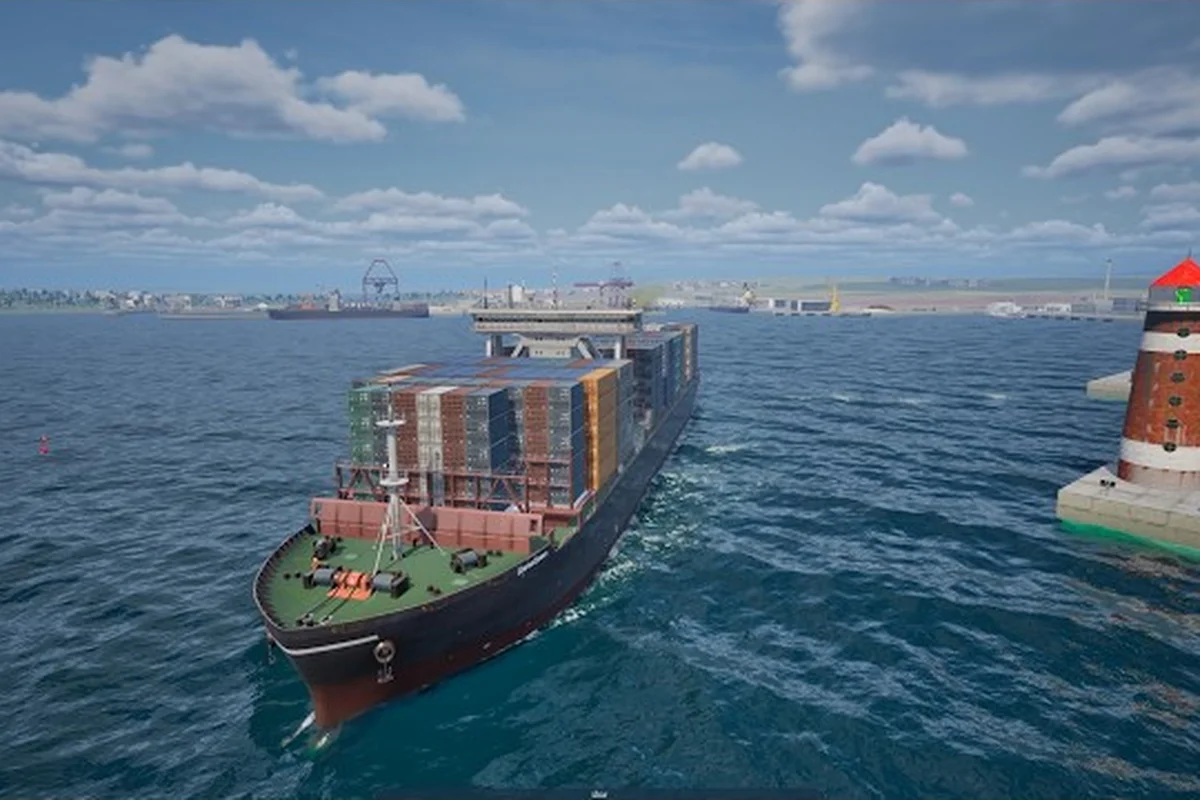
Professional Ship Simulator Trawler Guide: Fleet, Upgrades & More
Get the full Professional Ship Simulator trawler guide on fleet management, route planning, ship upgrades, and how addon vessels like yachts fit into your career.
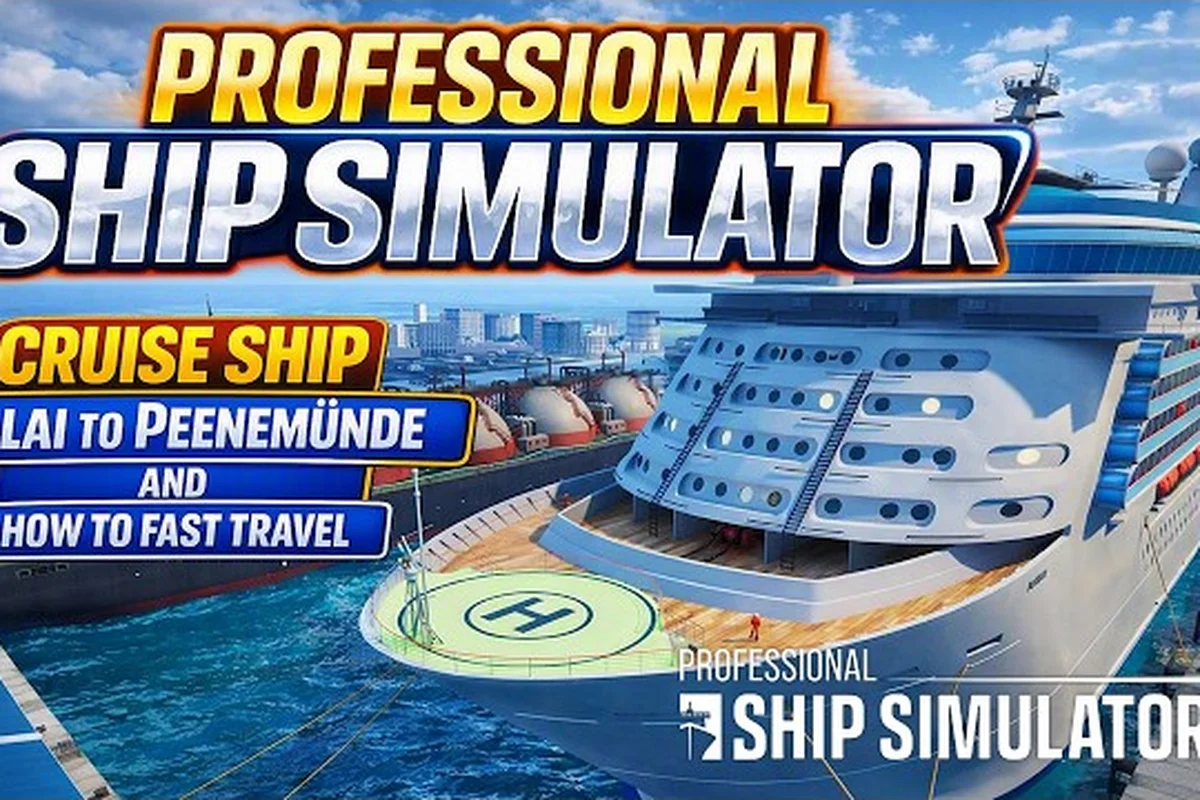
Professional Ship Simulator Cruise Ship: Unlock & Handle
Find out how to unlock, buy, and captain the Professional Ship Simulator cruise ship, including license gates, dry-dock pricing, and bridge tips.